Shiva and Sadashiva, What is the Difference?
 Minutes to read.
Shiva vs. Sadashiva: The Quick 2-Minute Guide to the Ultimate Identity Confusion
To most people, the names "Shiva," "Shankar," "Mahadeva," and "Sadashiva" refer to the exact same deity—the meditating ascetic with matted hair on Mount Kailash.
However, if you bypass popular folklore and look strictly at the text architecture of the Shiva Purana (Rudra Samhita) and the Shrimad Devi Bhagwat Purana, this assumption completely collapses. The root scriptures reveal that Lord Sadashiva is the primordial, eternal cosmic Father, while the Lord Shiva (Shankar) belonging to the Trinity is his cyclic son.
Here is the quick, undeniable proof separating the Father from the Son.
1. Who is Lord Sadashiva? (The Cosmic Father)
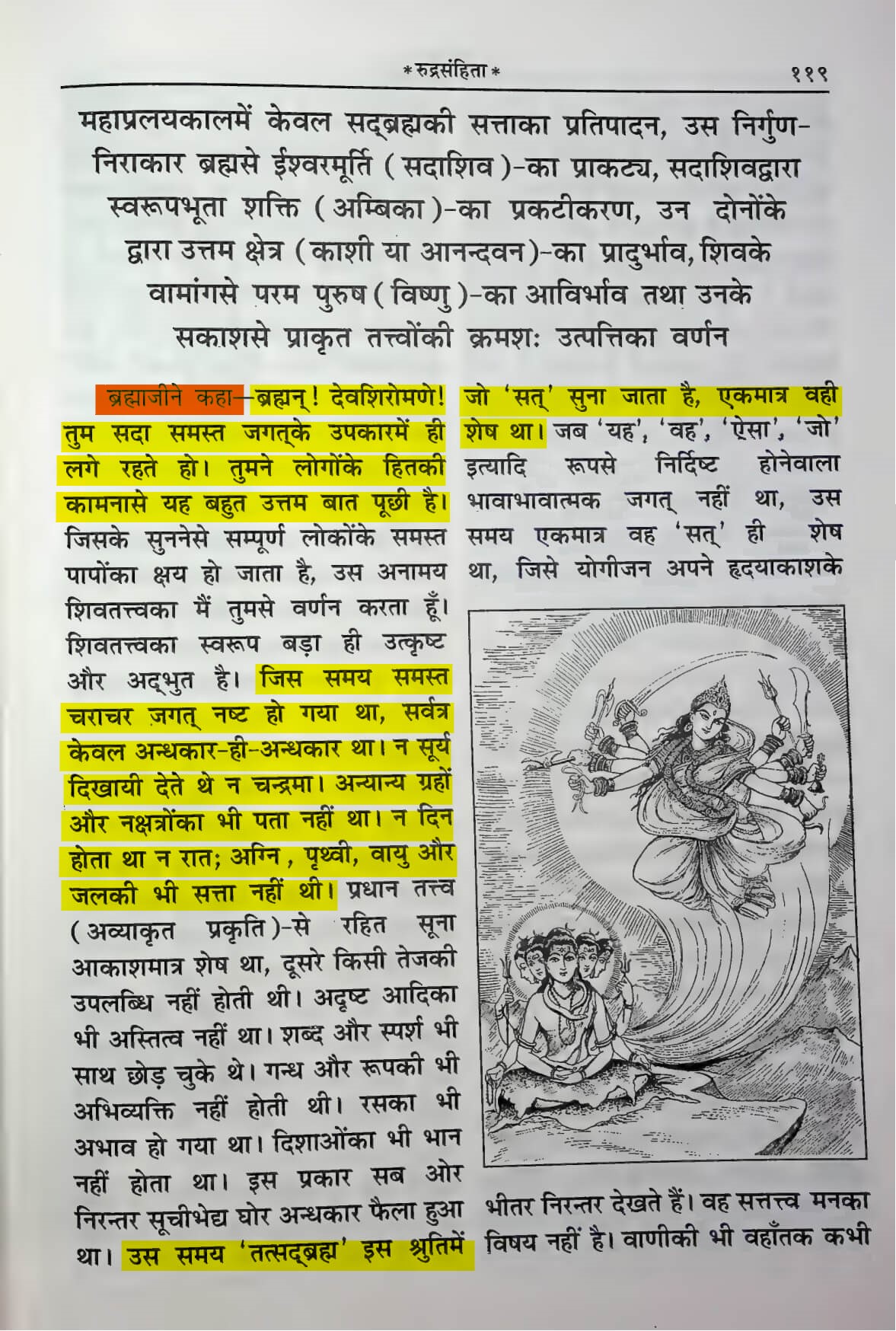
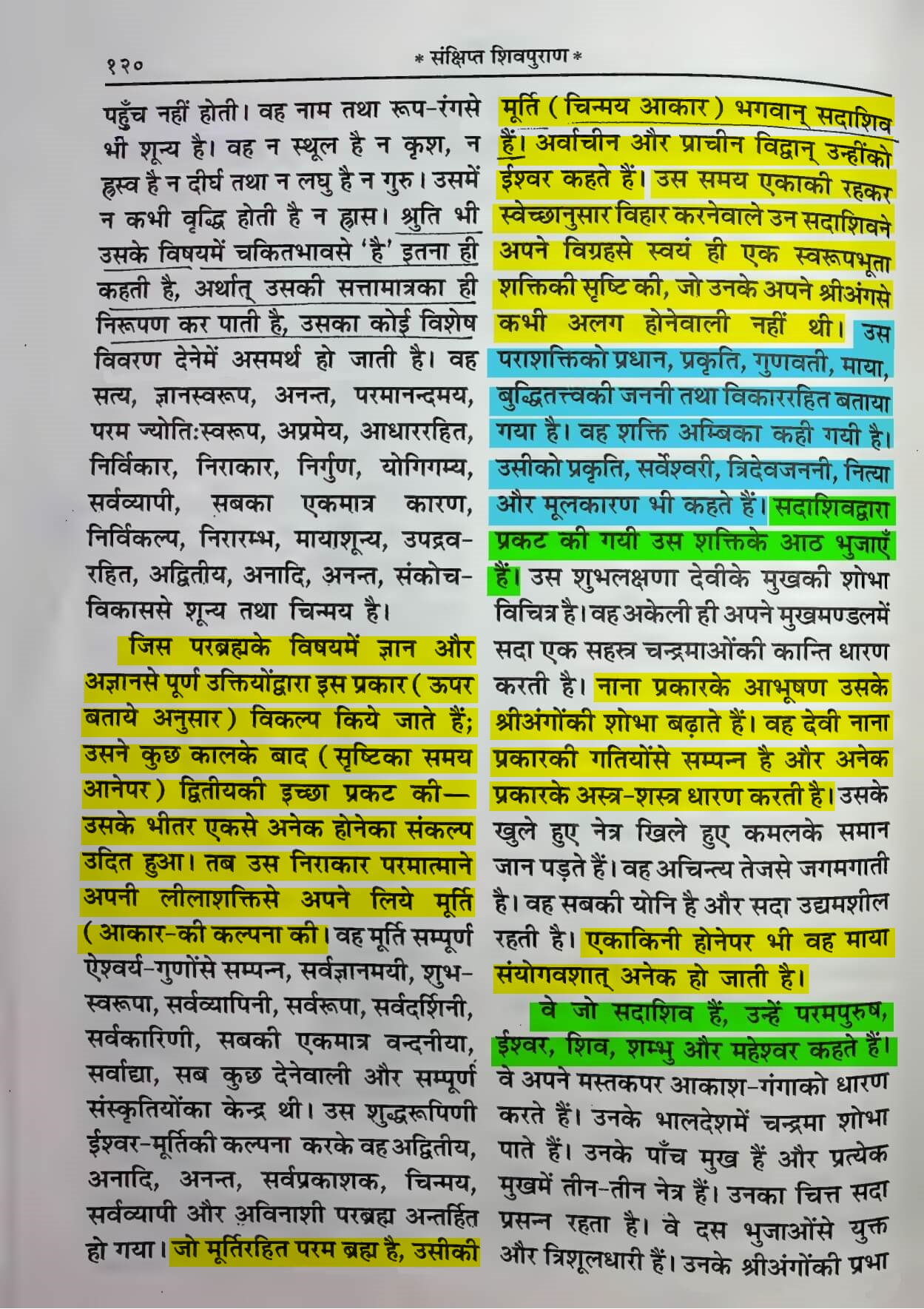
- The Origin: According to the Shiva Purana, before the universe existed, there was only a formless, pitch-black void. To begin cosmic play, that formless reality manifested a grand, all-pervading physical form known as Lord Sadashiva.
- His Form & Abode: The scriptures describe Sadashiva as a supreme deity possessing five faces and ten arms. He resides outside the material universe in the eternal spiritual realm of Shivaloka (Param Kashi). He is the husband of Goddess Durga, and together they act as the primordial parents of creation.
2. Who is Lord Shiva/Shankar? (The Administrative Son)
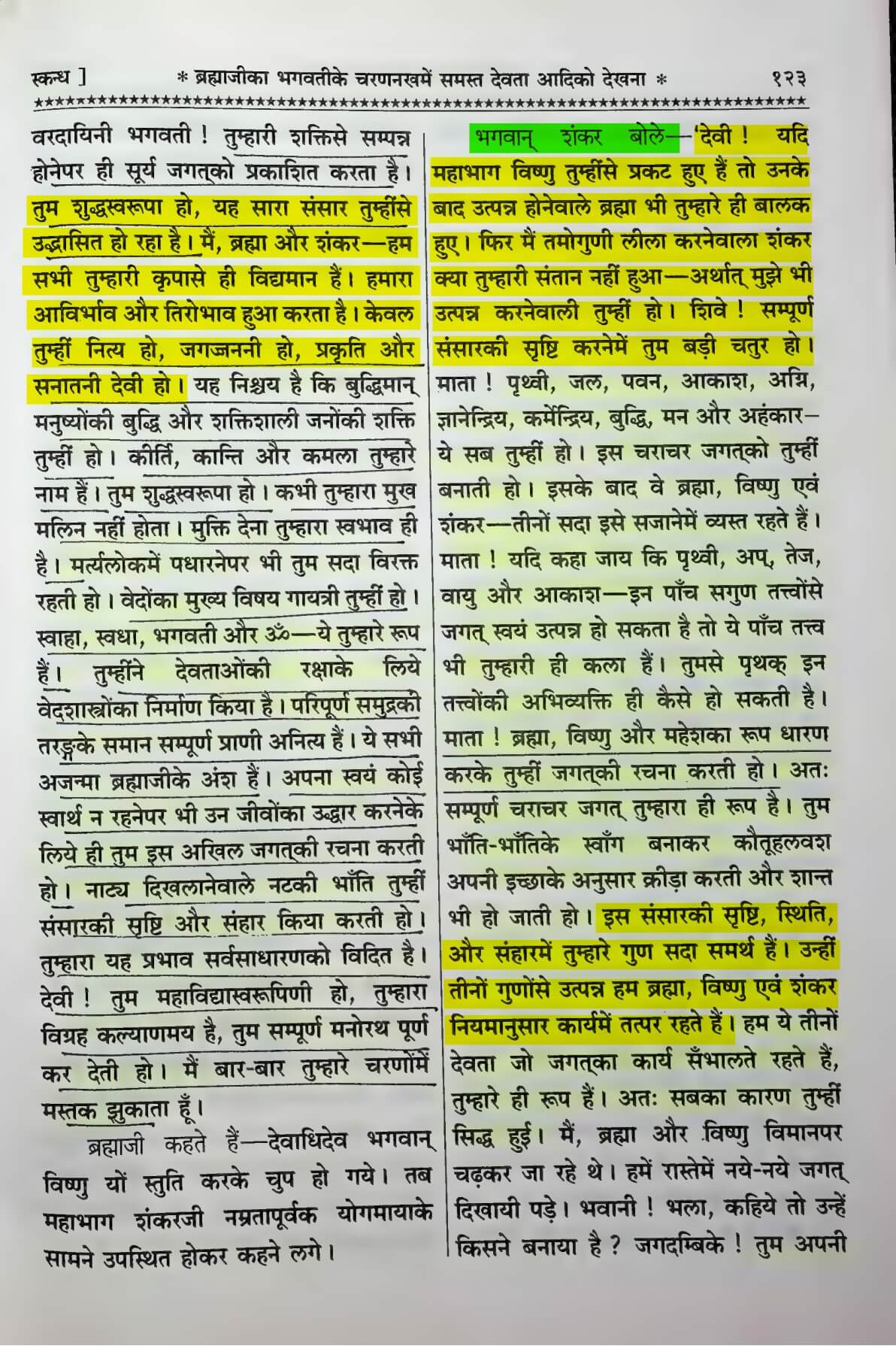
- The Birth: The absolute proof that the Trinity's Shiva is a son is found in the Shrimad Devi Bhagwat Purana. Standing before his mother, Goddess Durga, Lord Shiva directly declares:
"Goddess! If Vishnu and Brahma have manifested from you... then am I—Shiva, who performs the Tamoguni play—not your son? Meaning, I am also created by you."
- His Form & Abode: Unlike his five-faced father, the son (Lord Shankar) manifests with one face and two or four arms. He resides on Mount Kailash within the material universe to execute his assigned administrative duty of cosmic destruction (Tamoguna).
3. The Mortality Difference
- The Son (Shiva): Explicitly confesses in the Devi Bhagwat Purana that he, Brahma, and Vishnu are bound by cyclic time, undergoing continuous Aavirbhaav (birth/manifestation) and Tirobhaav (death/dissolution). When the universe resets, his energy merges back into his parents.
- The Father (Sadashiva): Is completely Nitya (eternal). He never undergoes dissolution; he is the ultimate source who absorbs the Trinity back into his body during Mahapralaya.
⚡ Fast Facts Summary
| Cosmic Attribute | Lord Sadashiva (The Father) | Lord Shiva / Shankar (The Son) |
|---|---|---|
| Cosmic Status | The Primordial Parent & Ultimate Source. | The Third Deity of the Trinity (Trimurti). |
| Physical Form | Five faces and ten arms. | One face and two/four arms (The Yogi). |
| Primary Abode | Shivaloka / Param Kashi (Above Maya). | Mount Kailash (Within the material world). |
| Relationship to Time | Absolutely Eternal (Nitya). Never dissolves. | Subject to Tirobhaav. Form dissolves at the end of the cycle. |
Conclusion
The confusion exists simply because the Cosmic Father (Sadashiva) named his third son "Shiva" after his own primary attribute of auspiciousness. Because the son carries the Father’s name and divine authority, casual readers mistake them for the same person. However, the scriptures are clear: Lord Sadashiva is the eternal Father, and Lord Shankar is the powerful, administrative son.
Evidence - Shiv Puran
Evidence - Shrimad Bhagwat Puran